
How to Empower Elders, with care, caution and technology
There are countless senior citizens who don’t want to go into an assisted living accommodation or a home – the latter still having a stigma about it. Neither do they want to be a burden on their family members or have to adjust to a totally different way of life. The hurly-burly and bustle of living in a house that probably has young people and children can get too much for them. Hence, their desire to age in the environment they are familiar with… But, how can their family and friends ensure that doing so is a safe and healthy choice?
The possibility of social isolation…
It is possible, and often probable, that people who live alone are also lonely. This is true at any age but more so amongst seniors who live alone. This, coupled with feelings of isolation, can impact senior health dangerously. So how can we prevent this from happening? As a large chunk of the world’s population, the baby boomers, are coming to realize, ending up living on one’s own is a very real possibility for many – especially for those who are childless or whose children live far away. It could well be argued that living alone does not necessarily mean being socially isolated but it certainly is a critical factor – as is the lack of engagement in social activities.
Support systems
One of the primary support systems that will make them more independent, and more in charge of their own lives, is technology. The right tools and gadgets will help an older person to maintain health, safety and independence at home. Skipping any of these can result in depression, isolation and poor health. Bearing in mind the proven risks and the growing frequency of this issue we should be asking ourselves: how can we encourage social interaction amongst elders? Let’s look at some of the ways we can prevent social isolation and empower our aging loved ones to live lives that are secure, safe, healthy and socially active.
Mobility is of critical importance
Denied access to transportation, seniors are left socially isolated. Lack of a car, a driving license, or convenient and safe transportation choices become major road blocks in their ability to move around and interact at social forums. Any option that enables our elders to be self-reliant in matters of transport will help them immeasurably as regards social integration.
The need to feel needed
Elders who are driven by a sense of purpose, of feeling needed or in a position to help others, stay healthier and happier. A hobby or activity that keeps them busy or motivated also prevents your loved elder from giving in to feelings of isolation. There are a multitude of hobbies and interests that involve social interaction – such as bridge, chess, other card games, group outings to places of interest – while also improving social health and emotional balance.
Using technology to empower seniors
- Engage with the world outside: Technology offers seniors unlimited opportunities to connect with friends and family for long conversations or quick updates — necessary as some seniors suffer from isolation and depression. These include:
- Simplified computers: Provide them with easy-to-use computers with touch-screen capabilities
- Computer-free emails: Explore options that allow users to receive emails and photos without a computer
- Smart phones vs. simple cell phones: Smart phones can be of great help but that depends on the level of a senior’s interest in technology. Easy to use cell phones are the best when it involves keeping in touch with the outside world
- Amplified cell phones: These are great for seniors with hearing impairment or who have trouble seeing small screens
- Video chats: For more tech-savvy seniors, suggest programs that allow them to easily see and speak with family and friends
- Maintaining good health Managing medication and maintaining mobility are the two major components in preserving physical health at home. And there are many ways of doing so, including:
- Medication reminders: Explore medication management systems that can issue reminders, dispense meds, monitor medication usage and notify caregivers when doses are missed
- Pill dispensers: Instead of an entire system, look into automated pill dispensers that remind seniors when to take a dose and what amount to take
- Health management: Monitor blood pressure, pulse and heartbeat, check blood glucose levels and more…all within the four walls of the home
- Nutrition guides: Seniors who live alone often have problems planning meals and getting the nutrition they need. Use technology to keep track of what they should be eating and when
- Keep fit activities: Vital for seniors – yoga classes, walks in parks and traffic-free pathways – will help them to stay mentally and physically healthy
- Safety first: As bodies and minds age, seniors may experience new mental and physical challenges. It’s more common for seniors to fall or wander off. Look into technologies that can help keep seniors safe when they live at home. Such as:
- Home monitoring systems: These systems operate on strategically placed
sensors and cameras, from motion detectors to leak or flood detectors to item-specific detectors on doors, beds, toilets, chairs, etc. You can monitor the senior’s daily activities, and more importantly, receive notifications when the system senses a disruption
- GPS tracking systems: These can alert the authorities and help locate a
missing person quickly – especially in cases where dementia or Alzheimer’s are concerned. Most of these systems operate by signal exchanges from satellites and nearby cell towers to locate missing elders
- Home healthcare
A wide range of healthcare services can be made available at their place of residence, including nursing and medical aid, in the event of an unexpected injury, surgery or illness. Popularly referred to as Home Care, it is normally less expensive and more convenient than any care you can get in a hospital or nursing home.
In India, as elsewhere, older people come from diverse social, economic, ethnic and religious backgrounds… with different ideas about what makes a home. But all of them want safety, care, comfort and a feeling of fitting in, so that they really do feel at home – where the fabric of life is familiar and where respect for their special needs is a given.
Post-Surgery Diet Plan: How to get on the fastest road to recovery
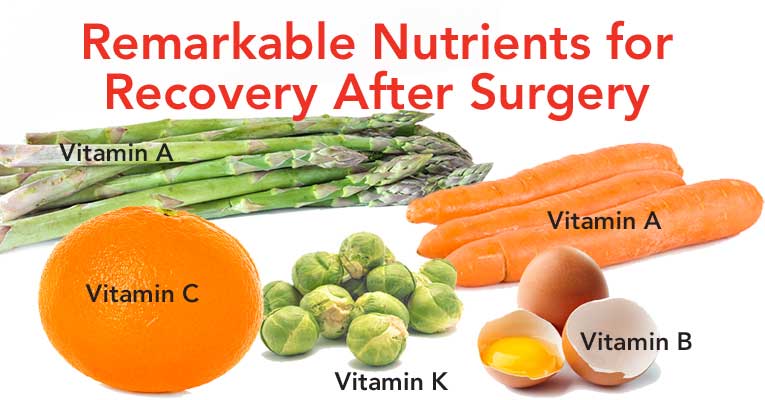
During your lifetime, you will most likely have a surgical procedure. Recovering from hip replacements, cataract surgery, fractures, cancer operations, biopsies, heart surgery and back operations are the most common. There are a few important things you can do to make a smooth and speedy recovery, post-surgery – and one of the most important things is to focus on nutrition. Post-surgery, it is critical that you eat a healthy diet that promotes healing – keeping in mind the nutritional and healing properties of the foods you eat. Certain foods could help with post-op fatigue while also aiding in the body’s recovery process. Foods you consume should include:
- Protein – essential to wound healing
- Vitamin C and zinc – to help with healing
- Iron and B12 – both help bone marrow to form new blood cells
- Fibre and probiotics – help to boost the immune system and keep your digestive tract moving
However, there are some foods you should avoid, such as:
- Sports drinks and sodas: It is important to stay hydrated, but the sodium in these drinks can cause the body to retain water, making it more difficult for the swelling to go down
- Limit the intake of refined sugars – these can lead to increased fatigue due to fluctuation in blood sugar levels
The best foods to eat, while healing
These foods will provide your body with the energy and nutrition it needs to:
- Fight off infections
- Accelerate healing
- Increase strength and energy
Berries
Antioxidants in berries are a powerhouse of nutrition that help the body repair surgical damage. Berries are also an excellent source of vitamin C, which is helpful in rebuilding collagen and soft tissue, so your incision site will heal quicker.
Fruits with antioxidants include:
- Grapes
- Pomegranates
- Blueberries
- Raspberries
- Strawberries
- Goji berries
- Blackberries
Vegetables
The vitamins and minerals that are found in vegetables are some of the most important nutrients for your healing diet. Vegetables in your daily diet add carbohydrates, which will help you battle the fatigue that is commonly experienced post-op. Carbohydrates also provide the brain with energy and stop muscle from breaking down while the body will also get a boost of vitamin A and C. Plus, fibre in a diet high in vegetables reduces constipation – which is a common side effect of pain medication and decreased mobility. Some of the veggies integral for a quick recovery are:
- Carrots
- Sweet bell peppers
- Broccoli
- Cauliflower
- Cabbage
- Brussel sprouts
- Sweet potatoes
- Potatoes
- Tomatoes
Fats – nuts, oils, oily fish
Fats provide you with a long-lasting source of energy. Following surgery, healthy fat helps your body absorb all those vitamins you get from fruits and vegetables. Fat is crucial for strengthening your immune system while decreasing your chances of infection. Many types of fats and nuts are high in vitamin E, particularly almonds – and vitamin E helps wounds heal faster while reducing scars. Healthy fats to include in your diet:
- Olive oil
- Avocados
- Coconut oil
- Nuts
- Seeds
Dark leafy greens
Leafy greens are vitally important. A large, serving of greens gives you a dose of vitamin A, C, and E, as well as vitamin K, which is essential for blood clotting. You will also be absorbing B-complex vitamins, which help with energy levels – as well as fibre, iron, magnesium, potassium and calcium. Incorporate these vitamin-rich, dark leafy greens, in your post-op diet::
- Kale
- Spinach
- Swiss chard
- Bok choy
- Mustard greens
- Romaine lettuce
Meat and other proteins
Following surgery, the body needs a high amount of protein and iron. Muscles may have been damaged, moved and manipulated during the surgical procedure. They now need to be repaired. Amino acids in the protein help repair muscle damage by regenerating tissue and speeding up wound healing. Iron will help you regain energy levels more quickly as iron creates new blood cells. Stock up on iron and protein through foods like:
- Poultry
- Seafood
- Beans and lentils
- Nuts
- Eggs
- Tofu
Eggs
Nature has provided us with the ideal healing food: Eggs. They are a traditional first meal to serve to invalids and recovering individuals, for very good reasons. One egg provides the body with:
- 6 Grams of protein
- Vitamins A, E and K
- B complex vitamins (including B12)
- Riboflavin
- Folic acid
- Calcium
- Zinc
- Iron
Fruits
Fibre is essential following surgery, to avoid the discomfort of constipation. Fruits provide that fibre with a dose of colour, vitamins and energy boosting carbs. Some of these must-have fruits are:
- Oranges
- Apples
- Berries
- Melon
- Apricots
- Peaches
- Grapefruit
- Mango
- Papaya
- Tomatoes
Whole grains
Eating whole grains will provide your body with the carbohydrates your brain needs for energy and stop your muscles from breaking down. Whole grains will also give you another dose of fibre. You may also feel tired and weary following your surgery – so the right kind of carbs will boost your energy levels.
Water
The most critical nutrient your body will need after surgery is water. Dehydration is common and maintaining adequate levels of hydration will help you recover quicker. Depending on the type of surgery you have, and the medications you are on, your need for fluid intake may be higher than usual. To make your fluid intake more interesting, these can include:
- Water with lime or lemon
- Coconut water
- Eating high water content foods like soup
- A smoothie with extra fluid
- Herbal teas (either hot or cold)
Surgery drains the body’s reserves. By providing your body with these essential nutrients you may have an easier, quicker recovery. But every person’s needs are different. Talk to your doctor or a registered dietitian to set up an eating plan that meets your specific needs.
Sanitation and hygiene go hand in hand…
But the hands need to be clean and germ free!
The medical profession, and it’s associated allies and services, can extoll at length on the importance of clean surroundings and practicing good hygiene at all levels – personal, professional and communal. We can talk at length on what to do, how it needs to be done and why. But, in this post, we will take a different approach. We shall quote directly, from published reports, the hazards and the fall-out from sanitation and hygiene not being followed by individuals and the public at large – and the consequences thereof.
How does poor sanitation lead to health problems?
According to the World Health Organization (WHO): “The absence of adequate sanitation has a serious impact on health and social development, especially for children. … This contamination is a major cause of diarrhoea, the second biggest killer of children in developing countries, and leads to other major diseases such as cholera, schistosomiasis, and trachoma.”
What’s more, as per WHO Director-General Dr Margaret Chan (2008), “Sanitation is a cornerstone of public health…Improved sanitation contributes enormously to human health and well-being, especially for girls and women. We know that simple, achievable interventions can reduce the risk of contracting diarrhoeal disease by a third.”
In 2008, WHO and UNICEF both estimated that:
- 1.2 billion people worldwide gained access to improved sanitation between 1990 and 2004
- 2.6 billion people in the world lacked adequate sanitation—the safe disposal of human excreta. According to them, “lack of sanitation contributes to about 10% of the global disease burden, causing mainly diarrhoeal diseases.”
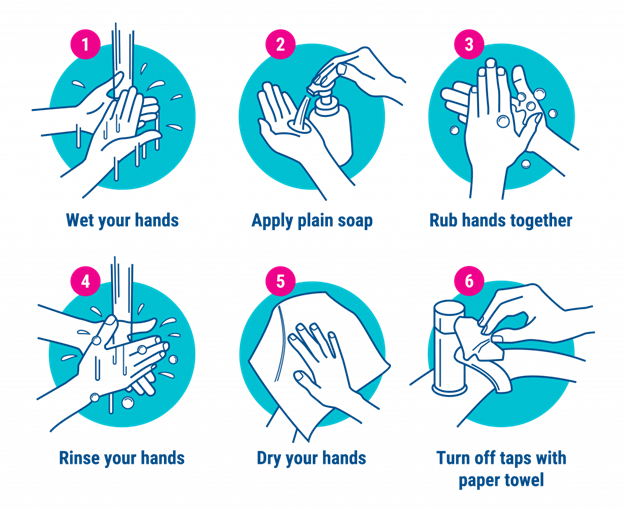
A very critical situation. Because, as we all know, using proper toilets and washing hands – always with soap – “prevents the transfer of bacteria, viruses and parasites found in human excreta which otherwise contaminate water resources, soil and food. This contamination is a major cause of diarrhoea, the second biggest killer of children in developing countries, and leads to other major diseases such as cholera, schistosomiasis, and trachoma,” say the experts.
The over-whelming importance of sanitation
Adequate sanitation, together with good hygiene and safe water, are fundamental to good health and to social and economic development. That is why, in 2008, Mr Manmohan Singh, Prime Minister of India, quoted Mahatma Gandhi who said in 1923, “sanitation is more important than independence”
Improving access to sanitation is a crucial step towards reducing the impact of various diseases. Sanitation and good hygiene also:
- Help to create physical environments that enhance safety, dignity and self-esteem
- Safety issues are especially critical for women and children, since they would otherwise risk sexual harassment and assault when defecating at night and in secluded areas
- Improving sanitation and building awareness of good hygiene in schools, benefits both the education system and the health of children. Schools that offer separate toilets for boys and girls, as well as clean facilities for hand washing with soap, are better able to attract and retain students, especially girls
- Improved sanitation significantly impacts not only health, but social and economic development, particularly in developing countries
Other economic benefits of proper sanitation
These include:
- Lower healthcare costs
- Fewer days lost at work or at school through illness or caring for ill relatives
- Time saved by not having to queue at shared sanitation facilities or finding space for open defecation
In fact, preventing sanitation and water-related diseases could save billions per year in healthcare costs. Plus, in much of the developing world at any one time, around half the hospital beds are occupied by people with diarrhoeal diseases caused by unsanitary conditions.
Key facts as per the WHO
- 2.0 billion people still do not have basic sanitation facilities such as toilets or latrines
- Of these, 673 million still defecate in the open, for example in street gutters, behind bushes or into open bodies of water
- At least 10% of the world’s population is thought to consume food irrigated by wastewater
- Poor sanitation is linked to transmission of diseases such as cholera, diarrhoea, dysentery, hepatitis A, typhoid and polio and exacerbates stunting.
- Inadequate sanitation is estimated to cause 432 000 diarrhoeal deaths annually and is a major factor in several neglected tropical diseases, including intestinal worms, schistosomiasis, and trachoma
- Poor sanitation also contributes to malnutrition
Sanitation and health are interconnected
- Diarrhoea remains a major killer but better water, sanitation, and hygiene could prevent the deaths of 297 000 children, aged under five years, annually
- Open defecation continues a vicious cycle of disease and poverty. The countries where open defection is most widespread have:
- The highest number of deaths of children aged under five years of age
- The highest levels of malnutrition and poverty
- The biggest disparities of wealth
Benefits of improving and practicing good sanitation
A WHO study in 2012 calculated that, “for every US$ 1.00 invested in sanitation, there was a return of US$ 5.50 in lower health costs, more productivity, and fewer premature deaths.”
Essentially, the benefits of improved sanitation include:
- Reducing the spread of intestinal worms, schistosomiasis and trachoma that cause suffering for millions
- Reducing the impact of malnutrition
- Promoting dignity and boosting safety, particularly among women and girls;
- Promoting girls’ school attendance by providing separate sanitary facilities
Do we really need more reasons for practicing good hygiene and following clean, sanitary habits?